Nordic Illuminative Architecture • Copenhagen Standard

Danish Lighting Design: Scandinavian Form, Function & Atmosphere

From Poul Henningsen's mathematical logarithmic shades to contemporary acoustic diffusers, Danish luminaires engineer glare-free illumination that humanizes interior space.

Foundational Principle
"It is the purpose of light not to be seen itself, but to gently reveal all that surrounds it."
Poul Henningsen • Copenhagen, 1924
Absolute Glare Cut-Off: No direct visibility of raw incandescent or LED filaments.
2700 Kelvin Ceiling: Preserving the spectrum of northern twilight and fireplace embers.
Distributed Islands: Multi-point luminaires replacing uniform overhead floodlights.
1924 The historic year Poul Henningsen calculated the logarithmic 3-shade reflection curve in Copenhagen.
2700 K The golden domestic temperature recreating calming Scandinavian evening warmth.
100% Direct line-of-sight glare elimination achieved via stepped multi-layered reflectors.
Curated Design Monographs

Danish Luminaires & Design Houses

A rigorous examination of the design houses, engineering philosophies, and historical fixtures that elevate light from utility into an atmospheric architectural medium.

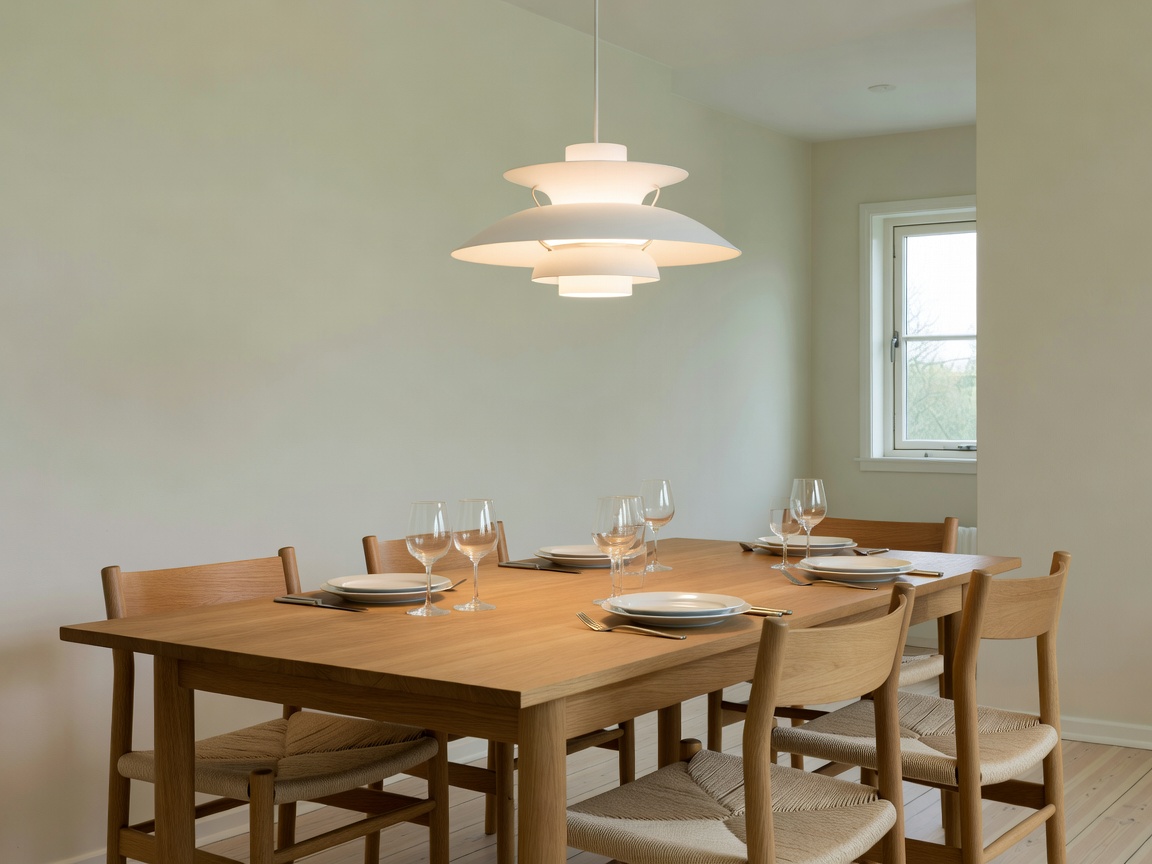
Louis Poulsen classic geometric layered pendant lamp illuminating a Danish dining table
Heritage Master
Geometric Optics Logarithmic Curvature
Copenhagen • Est. 1874

Louis Poulsen & The Geometry of Glare-Free Light

An exhaustive monograph on Poul Henningsen's multi-shade system, the PH 5 pendant, and the PH Artichoke's 72 laser-cut leaves engineered to eliminate harsh ocular glare through pure logarithmic reflection.

Key Fixtures PH 5, PH Artichoke, Panthella
Primary Optic Logarithmic Multi-Tier Shade
Glare Protection 100% Direct Angle Shielded
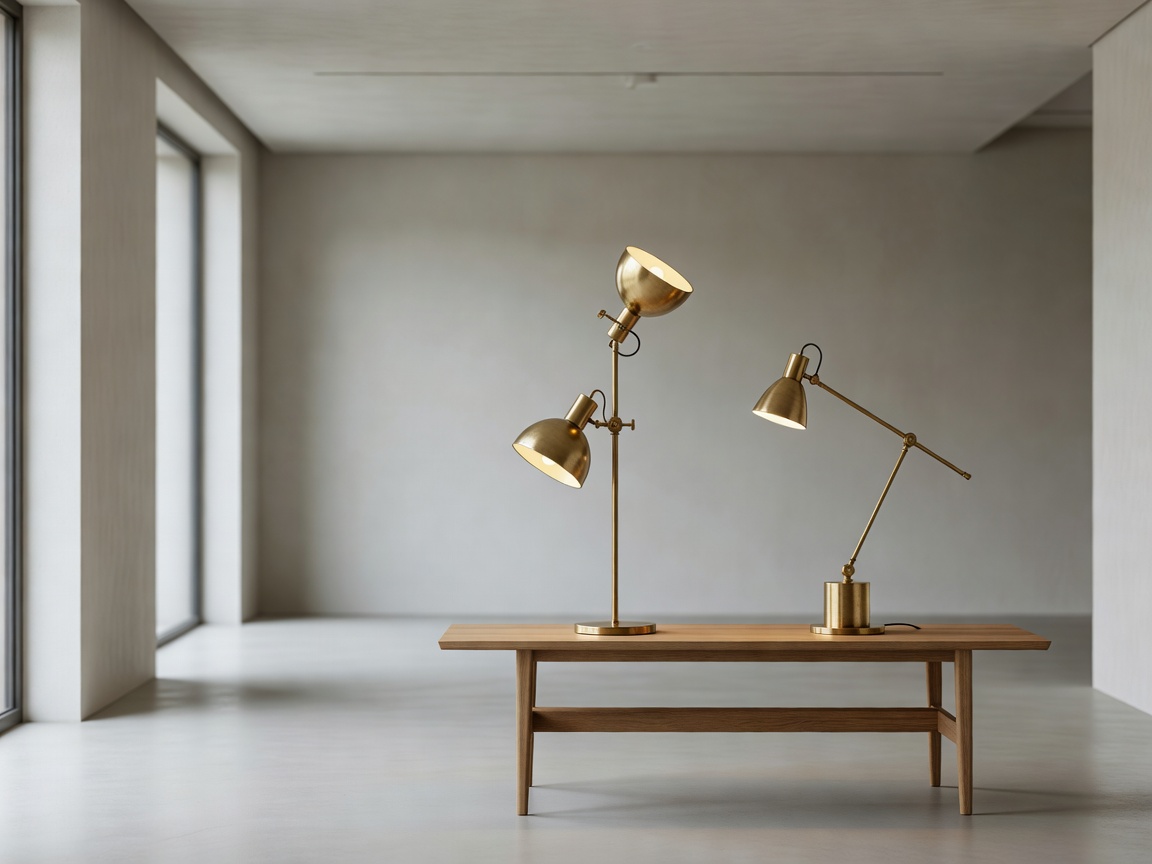
GUBI Multi-Lite and Bestlite brass lamps displayed in an understated Nordic architectural room
Mid-Century Revival
Spun Brass Kinetic Articulation
Nordhavn • Est. 1967

GUBI: The Revival of Mid-Century Scandinavian Form

Examining GUBI's curation of historical masterpieces including Robert Dudley Best's Bauhaus-aligned Bestlite task luminaire and Louis Weisdorf's transformable Multi-Lite fixture with rotatable quarter-spheres.

Key Fixtures Multi-Lite, Bestlite BL1, Gräshoppa
Material Focus Solid Brass, Tubular Steel
Mechanical Feature Rotating Dual Hemispheres
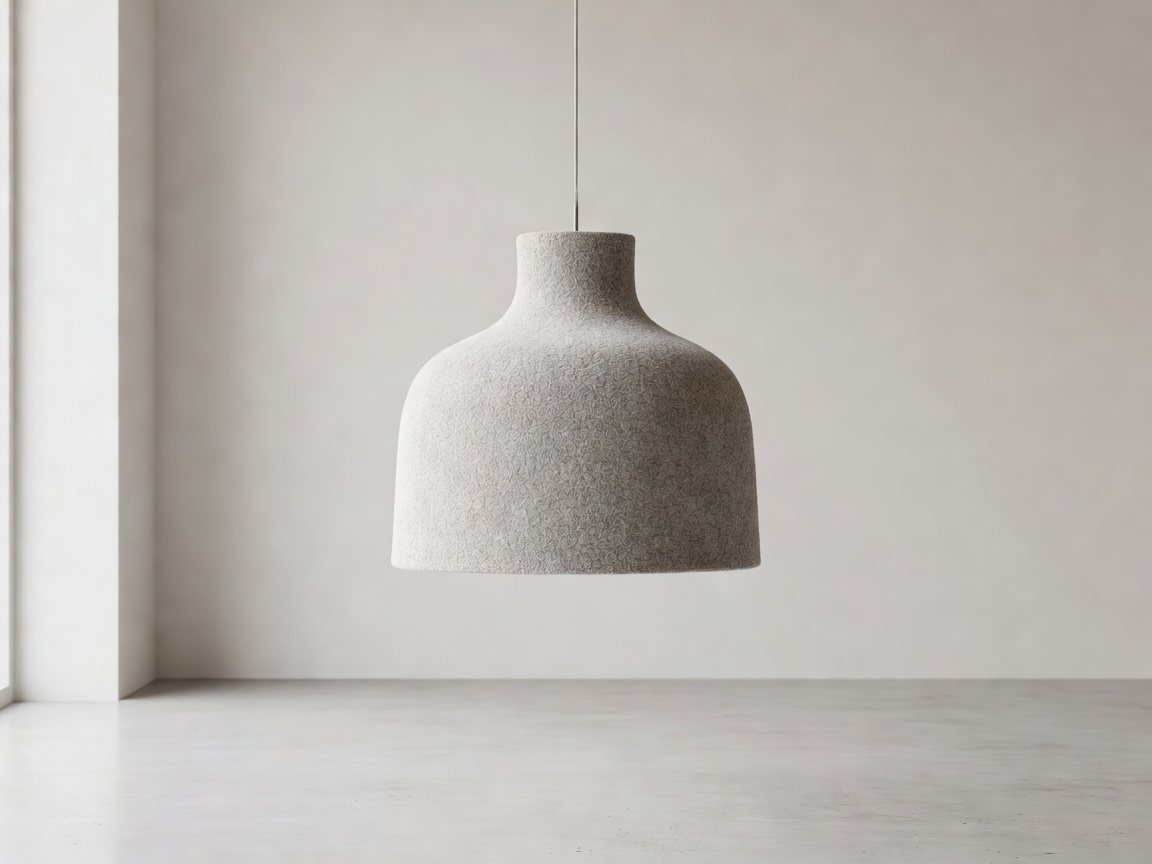
Muuto modern minimalist pendant lamp with tactile recycled PET felt texture
New Nordic
Acoustic Engineering Tactile Elastomers
København • Est. 2006

Muuto & Perspectives on New Nordic Materiality

How Muuto reinterprets the Scandinavian heritage using tactile acoustic PET felt, vulcanized silicone rubber cord dynamics, and hand-spun aluminum bells to balance acoustic reverberation and ambient luminescence.

Key Fixtures Under the Bell, E27, Ambit
Special Trait Sound Dampening PET Fibers
Color Standard Earthy Nordic Mineral Pigments
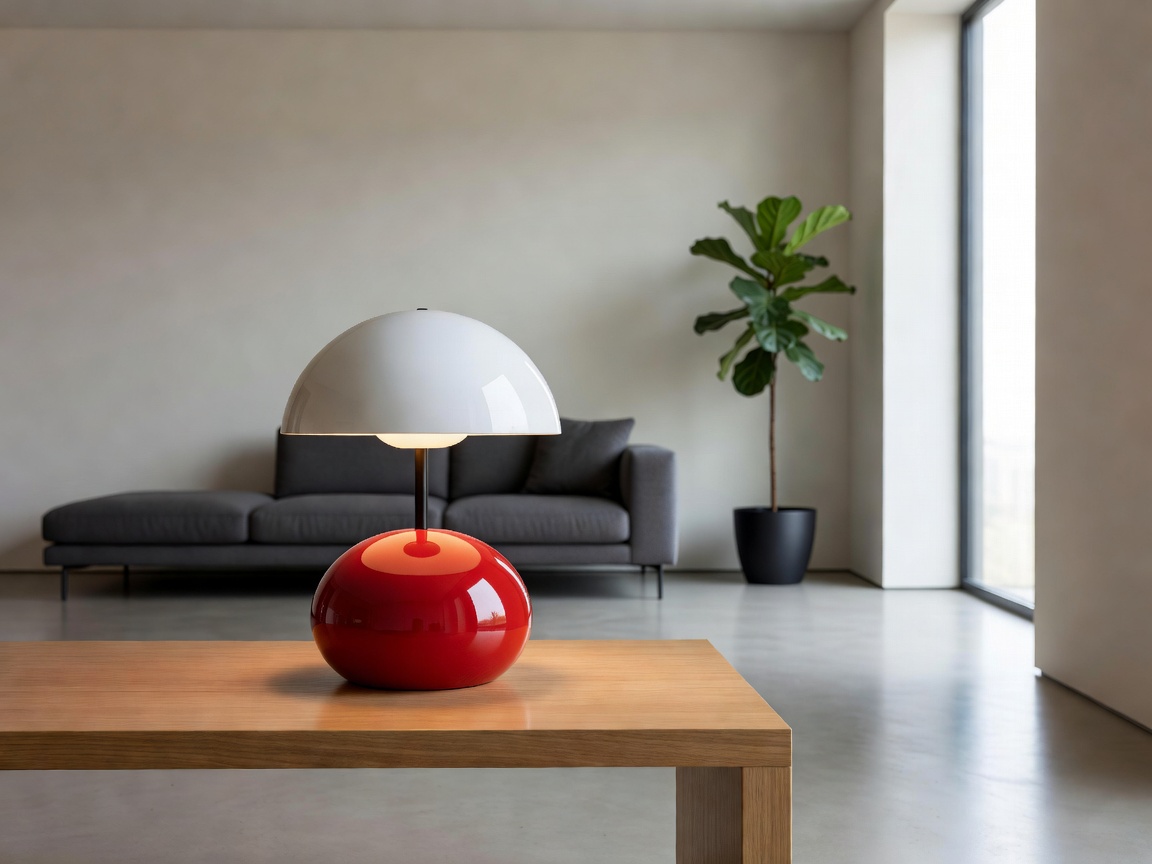
Verner Panton Flowerpot lamp with nested hemispherical shades in a contemporary interior
Iconic Canon
Panton Legacy Cordless VP9
Refshaleøen • Est. 2010

&Tradition: Linking Panton's Legacy to Modern Craft

Connecting the 1968 counterculture vibrancy of Verner Panton's Flowerpot nested hemispheres to modern wireless magnetic dimming, alongside Jaime Hayon's delicate handcrafted rice paper Formakami lanterns.

Key Fixtures Flowerpot VP1/VP9, Formakami
Optic Strategy Nested Concentric Hemispheres
Portability Rechargeable IP44 (VP9 Series)
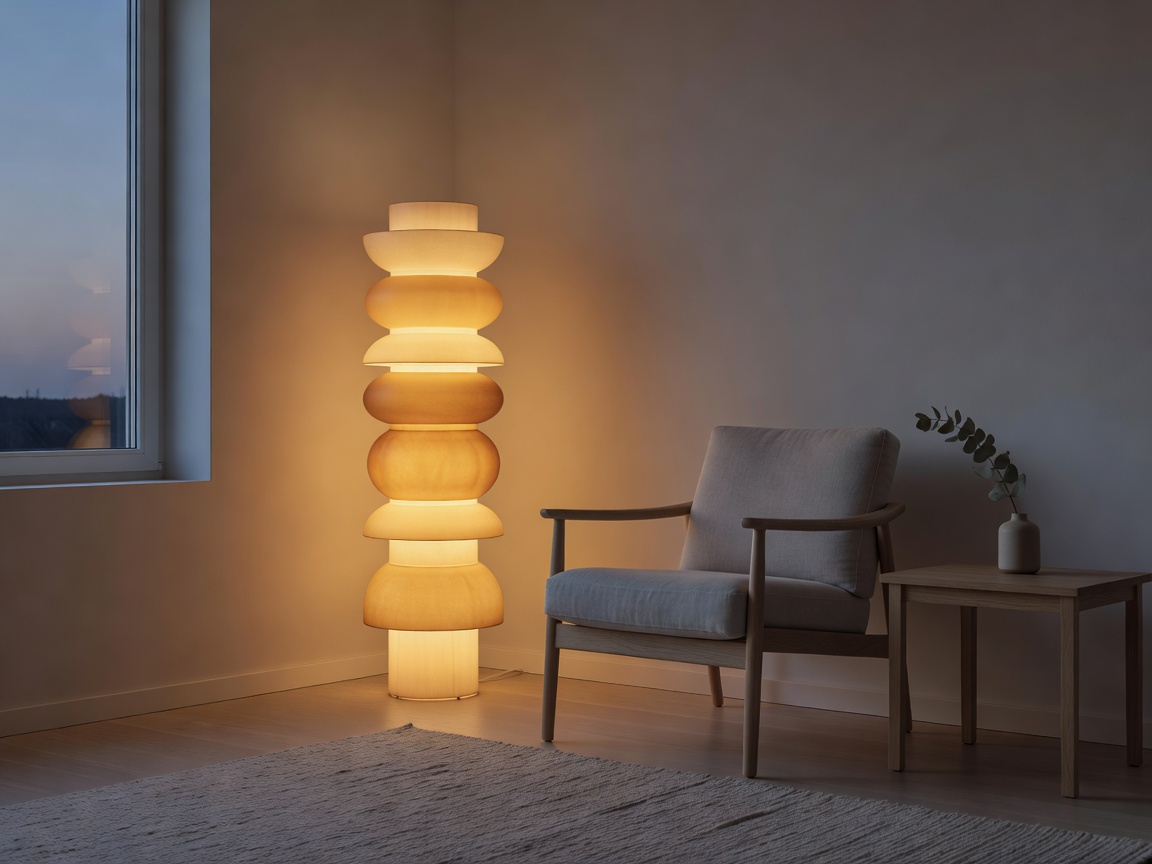
Soft amber layered luminaire illuminating a Danish living room corner during twilight
Architectural Manual
Spatial Layering Kelvin Selection
Design Protocol • 5-Point Plan

The Philosophy of Hygge & Layered Illumination

A practical, spatial guide to multi-point luminaire placement zones, ceiling glare avoidance, the 60 cm pendant hanging rule, and the circadian science behind Denmark's strict 2700 Kelvin warm white residential standard.

Placement Target 5 to 7 Low-Wattage Points
Table Drop Rule 60–65 cm Above Table Plane
Optimal Kelvin 2200K – 2700K (Sunset White)
Core Principles

Why Danish Lighting Holds European Supremacy

Denmark's unique geographical circumstance—specifically the prolonged, dark winter afternoons and low-angled northern solar vectors—prompted an evolutionary leap in residential luminaire engineering during the early twentieth century.

While southern European lighting traditions historically leaned toward high-output central chandeliers celebrating grandeur, Danish architects conceived luminaires as optical tools. A light source was never intended to be observed directly; instead, it was meant to illuminate surfaces, wood grain, textiles, and human faces with delicate, shadow-softened transitions.

Today, Danish lighting companies balance strict European energy efficiency mandates (Ecodesign 2019/2020) with deep-seated artisanal brass, mouth-blown opal glass, and spun metal manufacturing traditions.